
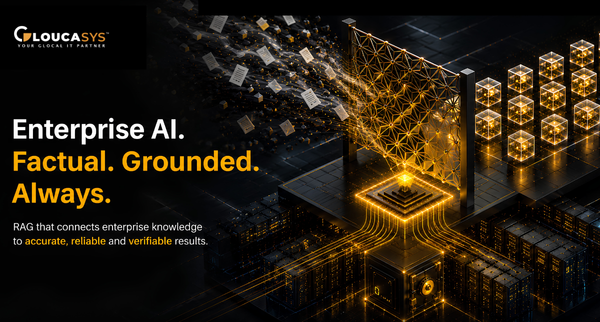
Generative AI has changed how enterprises interact with information.
Employees can ask questions in natural language instead of searching through hundreds of documents, databases, policies, reports, and knowledge repositories.
But there is one problem that can undermine the entire experience:
⚠️ 𝗛𝗮𝗹𝗹𝘂𝗰𝗶𝗻𝗮𝘁𝗶𝗼𝗻𝘀.
An AI system that confidently provides an incorrect answer is not simply inconvenient. In an enterprise environment, it can create operational, financial, compliance, security, and reputational risks.
This is where Retrieval-Augmented Generation (RAG) becomes important.
But enterprise RAG needs to go much further than simply retrieving a few documents and sending them to an LLM.
𝗧𝗵𝗲 𝗥𝗲𝗮𝗹 𝗖𝗵𝗮𝗹𝗹𝗲𝗻𝗴𝗲 𝗪𝗶𝘁𝗵 𝗘𝗻𝘁𝗲𝗿𝗽𝗿𝗶𝘀𝗲 𝗥𝗔𝗚
A basic RAG architecture typically follows a simple flow:
𝗨𝘀𝗲𝗿 𝗤𝘂𝗲𝗿𝘆 → 𝗥𝗲𝘁𝗿𝗶𝗲𝘃𝗲 𝗖𝗼𝗻𝘁𝗲𝘅𝘁 → 𝗣𝗮𝘀𝘀 𝘁𝗼 𝗟𝗟𝗠 → 𝗚𝗲𝗻𝗲𝗿𝗮𝘁𝗲 𝗔𝗻𝘀𝘄𝗲𝗿
This works well for straightforward knowledge retrieval.
Enterprise environments are different.
Information is distributed across:
🔹 ERP and CRM platforms
🔹 Data warehouses and data lakes
🔹 Document management systems
🔹 SharePoint and knowledge repositories
🔹 Legacy applications
🔹 PDFs, spreadsheets, emails and reports
🔹 Operational databases
🔹 Internal policies and procedures
🔹 Industry-specific systems
The information may also be duplicated, outdated, contradictory, incomplete, or governed by different access rules.
𝗧𝗵𝗶𝘀 𝗺𝗲𝗮𝗻𝘀 𝗿𝗲𝘁𝗿𝗶𝗲𝘃𝗮𝗹 𝗮𝗹𝗼𝗻𝗲 𝗱𝗼𝗲𝘀𝗻’𝘁 𝗴𝘂𝗮𝗿𝗮𝗻𝘁𝗲𝗲 𝗮𝗰𝗰𝘂𝗿𝗮𝗰𝘆.
𝗪𝗵𝗲𝗿𝗲 𝗛𝗮𝗹𝗹𝘂𝗰𝗶𝗻𝗮𝘁𝗶𝗼𝗻𝘀 𝗖𝗮𝗻 𝗘𝗻𝘁𝗲𝗿 𝘁𝗵𝗲 𝗦𝘆𝘀𝘁𝗲𝗺
Hallucinations can occur at several points in an enterprise RAG pipeline.
🔍 𝗣𝗼𝗼𝗿 𝗥𝗲𝘁𝗿𝗶𝗲𝘃𝗮𝗹
The system retrieves information that is semantically similar but not actually relevant to the question.
📄 𝗕𝗮𝗱 𝗗𝗼𝗰𝘂𝗺𝗲𝗻𝘁 𝗤𝘂𝗮𝗹𝗶𝘁𝘆
Outdated policies, duplicate documents, incomplete records, or conflicting versions can contaminate the knowledge base.
🧩 𝗟𝗼𝘀𝘁 𝗖𝗼𝗻𝘁𝗲𝘅𝘁
A retrieved paragraph may look relevant in isolation but lose its meaning without the surrounding document, metadata, business process, or historical context.
🤖 𝗠𝗼𝗱𝗲𝗹 𝗥𝗲𝗮𝘀𝗼𝗻𝗶𝗻𝗴
Even when the right information is retrieved, an LLM can still interpret it incorrectly or generate information that isn’t supported by the source material.
🔐 𝗔𝗰𝗰𝗲𝘀𝘀 𝗖𝗼𝗻𝘁𝗿𝗼𝗹
A system may retrieve information that the user should never have been allowed to access.
Therefore, enterprise RAG must treat 𝗴𝗼𝘃𝗲𝗿𝗻𝗮𝗻𝗰𝗲, 𝗽𝗲𝗿𝗺𝗶𝘀𝘀𝗶𝗼𝗻𝘀, 𝗽𝗿𝗼𝘃𝗲𝗻𝗮𝗻𝗰𝗲, and 𝗰𝗼𝗻𝘁𝗲𝘅𝘁 as first-class components.
𝗛𝗼𝘄 𝗧𝗼 𝗕𝘂𝗶𝗹𝗱 𝗥𝗔𝗚 𝗧𝗵𝗮𝘁 𝗘𝗻𝘁𝗲𝗿𝗽𝗿𝗶𝘀𝗲𝘀 𝗖𝗮𝗻 𝗧𝗿𝘂𝘀𝘁
The goal should not be to promise that hallucinations can be reduced to zero under every circumstance.
The goal is to engineer a system that makes unsupported answers difficult, detectable, and controllable.
𝗜𝘁 𝘀𝘁𝗮𝗿𝘁𝘀 𝘄𝗶𝘁𝗵 𝗵𝗶𝗴𝗵-𝗾𝘂𝗮𝗹𝗶𝘁𝘆 𝗸𝗻𝗼𝘄𝗹𝗲𝗱𝗴𝗲.
Before information enters the retrieval layer, enterprises should establish:
✅ Document versioning
✅ Source ownership
✅ Metadata enrichment
✅ Data freshness policies
✅ Duplicate detection
✅ Classification and governance
✅ Access permissions
Then comes intelligent retrieval.
Instead of relying on a single similarity search, enterprise RAG can combine:
🧠 Semantic search
🔎 Keyword search
🗂️ Metadata filtering
🔗 Knowledge graphs
📊 Structured database queries
🎯 Re-ranking
🔐 Permission-aware retrieval
This creates a richer understanding of what information should actually be presented to the model.
𝗖𝗼𝗻𝘁𝗲𝘅𝘁 𝗜𝘀 𝗠𝗼𝗿𝗲 𝗜𝗺𝗽𝗼𝗿𝘁𝗮𝗻𝘁 𝗧𝗵𝗮𝗻 𝗖𝗵𝘂𝗻𝗸𝘀
One of the most common RAG design patterns is breaking documents into small chunks.
Chunking is useful—but aggressive chunking can destroy relationships between pieces of information.
For example, a manufacturing procedure might contain:
- A process description
• Equipment specifications
• Safety requirements
• Operating thresholds
• Exception conditions
• Revision history
Retrieving only one paragraph may not provide enough context to answer a business question correctly.
Enterprise RAG therefore needs to understand relationships between documents, sections, entities, metadata, and business processes.
𝗧𝗵𝗲 𝗴𝗼𝗮𝗹 𝗶𝘀𝗻’𝘁 𝗷𝘂𝘀𝘁 𝗿𝗲𝘁𝗿𝗶𝗲𝘃𝗮𝗹.
𝗜𝘁’𝘀 𝗰𝗼𝗻𝘁𝗲𝘅𝘁 𝗿𝗲𝘁𝗿𝗶𝗲𝘃𝗮𝗹.
𝗖𝗶𝘁𝗮𝘁𝗶𝗼𝗻𝘀 𝗖𝗿𝗲𝗮𝘁𝗲 𝗔𝗰𝗰𝗼𝘂𝗻𝘁𝗮𝗯𝗶𝗹𝗶𝘁𝘆
Enterprise AI should not simply provide an answer.
It should be able to show where that answer came from.
📌 Source document
📌 Relevant section
📌 Data timestamp
📌 Document version
📌 Supporting evidence
This gives employees the ability to verify AI-generated responses instead of blindly trusting them.
It also creates an important foundation for auditing AI-assisted decisions.
𝗞𝗻𝗼𝘄 𝗪𝗵𝗲𝗻 𝗡𝗼𝘁 𝘁𝗼 𝗔𝗻𝘀𝘄𝗲𝗿
One of the most important capabilities of trustworthy enterprise AI is knowing when it doesn’t have enough evidence.
If the retrieved information is incomplete or contradictory, the system should be able to respond:
“𝗜 𝗱𝗼 𝗻𝗼𝘁 𝗵𝗮𝘃𝗲 𝗲𝗻𝗼𝘂𝗴𝗵 𝗿𝗲𝗹𝗶𝗮𝗯𝗹𝗲 𝗶𝗻𝗳𝗼𝗿𝗺𝗮𝘁𝗶𝗼𝗻 𝘁𝗼 𝗮𝗻𝘀𝘄𝗲𝗿 𝘁𝗵𝗶𝘀 𝗰𝗼𝗻𝗳𝗶𝗱𝗲𝗻𝘁𝗹𝘆.”
That response is often more valuable to an enterprise than a confident but unsupported answer.
𝗙𝗿𝗼𝗺 𝗥𝗔𝗚 𝘁𝗼 𝗧𝗿𝘂𝘀𝘁𝗲𝗱 𝗘𝗻𝘁𝗲𝗿𝗽𝗿𝗶𝘀𝗲 𝗜𝗻𝘁𝗲𝗹𝗹𝗶𝗴𝗲𝗻𝗰𝗲
The future of enterprise RAG is not simply about connecting more data to larger language models.
It is about creating an intelligence layer that understands:
🔗 Business context
🧠 Enterprise knowledge
🔐 Security and permissions
📚 Data provenance
⚙️ Business rules
⏱️ Data freshness
🎯 User intent
📊 Structured and unstructured information
When these capabilities work together, RAG becomes more than a search mechanism.
It becomes a foundation for trustworthy enterprise intelligence.
𝗧𝗵𝗲 𝗥𝗲𝗮𝗹 𝗖𝗼𝗺𝗽𝗲𝘁𝗶𝘁𝗶𝘃𝗲 𝗔𝗱𝘃𝗮𝗻𝘁𝗮𝗴𝗲
Enterprises don’t need AI that simply generates convincing answers.
They need AI that can distinguish between:
𝗪𝗵𝗮𝘁 𝗶𝘁 𝗸𝗻𝗼𝘄𝘀.
𝗪𝗵𝗮𝘁 𝗶𝘁 𝗱𝗼𝗲𝘀𝗻’𝘁 𝗸𝗻𝗼𝘄.
𝗪𝗵𝗮𝘁 𝗶𝘁 𝗰𝗮𝗻 𝘃𝗲𝗿𝗶𝗳𝘆.
𝗔𝗻𝗱 𝘄𝗵𝗮𝘁 𝗶𝘁 𝘀𝗵𝗼𝘂𝗹𝗱 𝗻𝗲𝘃𝗲𝗿 𝗴𝘂𝗲𝘀𝘀.
𝗧𝗵𝗮𝘁 𝗶𝘀 𝘁𝗵𝗲 𝗱𝗶𝗳𝗳𝗲𝗿𝗲𝗻𝗰𝗲 𝗯𝗲𝘁𝘄𝗲𝗲𝗻 𝗚𝗲𝗻𝗲𝗿𝗮𝘁𝗶𝘃𝗲 𝗔𝗜 𝘁𝗵𝗮𝘁 𝗰𝗮𝗻 𝗮𝗻𝘀𝘄𝗲𝗿 𝗮𝗻𝗱 𝗘𝗻𝘁𝗲𝗿𝗽𝗿𝗶𝘀𝗲 𝗔𝗜 𝘁𝗵𝗮𝘁 𝗰𝗮𝗻 𝗯𝗲 𝘁𝗿𝘂𝘀𝘁𝗲𝗱.
🚀 𝗘𝗻𝘁𝗲𝗿𝗽𝗿𝗶𝘀𝗲 𝗥𝗔𝗚 𝗶𝘀𝗻’𝘁 𝗮𝗯𝗼𝘂𝘁 𝗺𝗮𝗸𝗶𝗻𝗴 𝗔𝗜 𝗺𝗼𝗿𝗲 𝗰𝗼𝗻𝘃𝗶𝗻𝗰𝗶𝗻𝗴.
𝗜𝘁’𝘀 𝗮𝗯𝗼𝘂𝘁 𝗺𝗮𝗸𝗶𝗻𝗴 𝗔𝗜 𝗺𝗼𝗿𝗲 𝗴𝗿𝗼𝘂𝗻𝗱𝗲𝗱, 𝘃𝗲𝗿𝗶𝗳𝗶𝗮𝗯𝗹𝗲, 𝘀𝗲𝗰𝘂𝗿𝗲, 𝗮𝗻𝗱 𝗯𝘂𝘀𝗶𝗻𝗲𝘀𝘀-𝗿𝗲𝗮𝗱𝘆.
#EnterpriseAI #RAG #RetrievalAugmentedGeneration #GenerativeAI #AIEngineering #EnterpriseData #AgenticAI #ResponsibleAI #AITrust #DataGovernance #KnowledgeAI #DigitalTransformation #EnterpriseTechnology #AITransformation #Gloucasys

